Recent Blog Post

Why Construction Is Booming in Australia in 2026 – And How Renown Lending Is Supporting Developers
Australia’s construction sector is accelerating in 2026, fuelled by migration, infrastructure spending and global capital flows.
CGT Discount Faces Senate Scrutiny as Housing Debate Intensifies
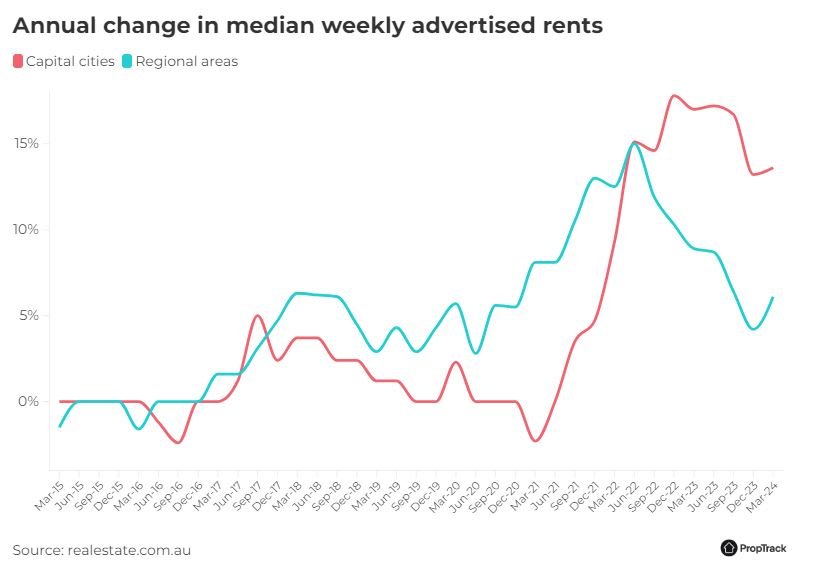
Australia’s 50 per cent capital gains tax discount is under Senate review, reigniting debate over housing affordability, rental pressure and long-term productivity reform.

From Fringe to Framework: Why Aggregators and Private Lenders Need Each Other
Private lending in Australia has moved from fringe to framework. Here’s why aggregator panels and disciplined private lenders must evolve together.

Case Study: How a $1M Second Mortgage Helped a Richmond Businessman Secure His Next Acquisition
A real-world case study showing how a $1M second mortgage secured against a $7M Richmond commercial property enabled a time-sensitive business acquisition.

When Does a Second Mortgage Make Sense?
Second mortgages are often misunderstood. In Australia’s tightening credit market, they can serve as strategic property-backed loans — unlocking equity, preserving first mortgages, and enabling time-sensitive business opportunities when structured correctly.
Delivery Matters: Why Supporting Small Builders Is Critical to Australia’s Housing Targets
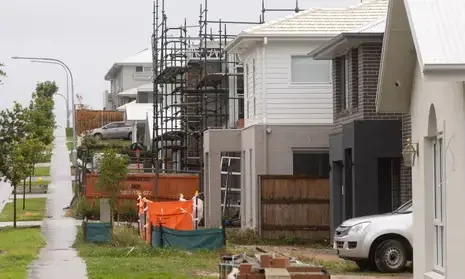
Australia’s housing targets won’t be met without small and medium builders. Flexible capital, faster credit, and practical funding structures are key to accelerating delivery.

Big Announcements Don’t Build Homes — Builders Do
Australia’s housing crisis isn’t a policy problem — it’s an execution problem. Funding announcements don’t pour slabs. Builders do. Here’s why capital flexibility and delivery matter more than headlines.

Why Builders Are Turning to Private & Non-Bank Lenders for Construction Finance
Australia’s construction industry is shifting away from traditional banks as builders look for faster approvals, flexible funding structures, and lenders who truly understand project risk. Private and non-bank lenders are now becoming the preferred choice for developers seeking certainty and speed.

Asset-Backed Lending in Australia Is Overtaking Traditional Bank Finance
Asset-backed lending is rapidly overtaking traditional bank finance in Australia as SMEs seek faster, more flexible, and commercially realistic funding options. With strong ASIC regulation, property-backed security, and relationship-driven credit decisions, lenders like Renown Lending offer a modern, ethical, and efficient alternative that aligns with Australia’s evolving SME economy.

How Non-Bank Lenders Are Transforming SME Finance in Australia: The New Era of Asset-Backed Lending
Non-bank lenders are reshaping SME finance in Australia through fast, flexible, and asset-backed funding solutions. With clear regulation, ethical lending practices, and relationship-driven decision-making, lenders like Renown Lending provide SMEs with the speed, stability, and commercial logic they need to grow, mobilise projects, and navigate challenging economic conditions.

Shariah-Compliant Lending: Why Australia Needs It, and Why Renown Lending Is Stepping Into the Funding Game
Shariah-compliant lending is becoming essential in Australia as demand rises among SMEs and investors seeking ethical, asset-backed finance. This article explores the principles of Islamic finance, the market gap, and why Renown Lending is stepping forward to lead this evolving sector responsibly.

Why SMEs Are Turning to Non-Bank Lenders in Australia for Flexible Business Loans
Australian SMEs are increasingly turning to non-bank lenders for faster, more flexible funding as traditional banks tighten credit. This in-depth editorial explores why private credit is growing, how asset-backed lending works, and why non-bank lenders are becoming essential partners for business growth across Australia.

R U OK? Day: Turning Awareness into Everyday Workplace Action
R U OK? Day is more than a reminder to ask “Are you OK?” It’s a challenge for workplaces to move beyond awareness into daily action that supports mental health.

Adelaide’s Skyline Steps Into the Future: Why the $260M Tower Is a Win for the City
Precision Group’s $260M Adelaide Central Plaza redevelopment will transform Rundle Mall and North Terrace with the city’s tallest tower, 34,000sqm of office space, vibrant retail, dining, and wellness facilities—signalling confidence in Adelaide’s future growth.

Understanding Secured and Unsecured Lending: A Complete Guide for Australian Borrowers
Learn the key differences between secured and unsecured lending in Australia. Discover which loan type suits your needs with guidance from Renown Lending.

Fast, Fair Funding for Australian SMEs: Renown Lending Secures $100M for Asset-Backed Loans
Asset-backed finance for Australian SMEs—term sheets in 24 hours, 3–36 month terms and transparent pricing from an ethical lender. Apply via Kalpi or Chris, or contact Mitchell (BDM).

Why Liquidators Are Turning to Renown Lending for Asset-Backed Rescue Financing
As insolvencies rise in Australia, liquidators are calling on Renown Lending to deliver fast, ethical asset-backed finance to save viable businesses from bankruptcy. Discover how Renown Lending is stepping in where banks won’t.

Why Australian Startups Get Passed Over: Avoid These Fundraising Red Flags
Learn the hidden mistakes that make promising startups in Australia unfundable. Kalpi Prasad of Renown Lending shares how to fix silent deal-killers and raise smarter in 2025.

Australia’s Non‑Bank Lending Boom: A Structural Shift Redefining Credit Markets
Discover why non-bank lending is transforming Australia’s finance sector. In this in-depth op-ed, Kalpi Prasad explores the regulatory shifts, investor trends, SME demand, and fintech innovations driving the explosive growth of private credit and non-bank finance in 2025.

The Price of Protection – SA’s Builder Insurance Reforms Are a Necessary Cost, but Not a Perfect Fix
South Australia's new building indemnity insurance reforms will raise maximum payouts to $250,000—but at a 25% premium increase for homeowners. Discover the impact on first home buyers and why the changes, while necessary, may still fall short.